
Dance has always been more than movement—it’s storytelling, emotion, and artistry woven into physical form. But when it comes to klassischen Tänze, precision, discipline, and deep understanding matter just as much as passion.
You’re not just learning steps; you’re mastering centuries-old traditions while adapting them to modern performance standards. And if you’re balancing a demanding career alongside your training or teaching responsibilities, efficiency becomes everything.
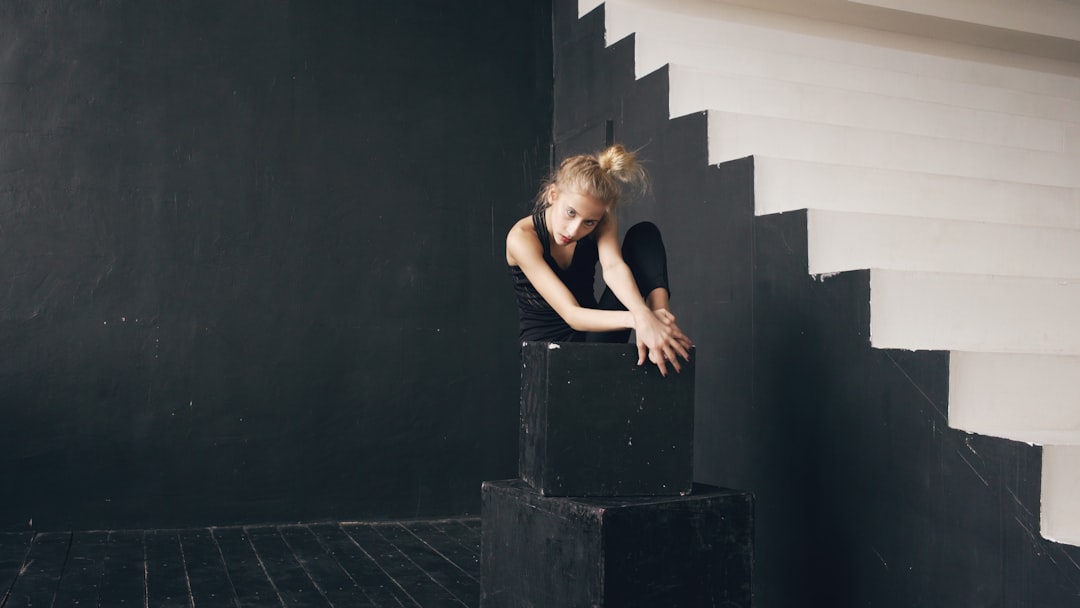
So how do top performers and instructors stay sharp without sacrificing hours each day? The secret lies in choosing the right tools and software—ones that streamline practice, enhance feedback, and support consistent growth.
Why Technology Matters in Classical Dance Training
Think of technology as your silent choreographic assistant. Just like pointe shoes and mirrors revolutionized ballet technique centuries ago, today’s digital aids are reshaping how classical dancers train, teach, and perform—even for busy professionals juggling multiple roles.
Let’s face it—you don’t have endless rehearsal time, nor can you afford constant one-on-one coaching. But you also can’t compromise on quality. That’s where smart tools come in: helping you rehearse effectively, analyze posture, improve timing, and stay inspired—all within tight schedules.
“Technology doesn’t replace human connection in dance, but it amplifies what we already bring to the stage.”
The Digital Toolkit: 9 Core Categories Every Dancer Should Know
Not all tools are created equal—and certainly not every app will help you grow faster. Here’s a breakdown of the most effective categories currently shaping classical dance education:
- Motion Analysis Apps: Offer slow-motion playback and angle adjustments for refining technique.
- Rhythm & Timing Trainers: Help dancers develop internal beat accuracy through interactive exercises.
- Injury Prevention Platforms: Focus on body awareness, alignment tracking, and safe stretching routines.
- Video Feedback Tools: Allow side-by-side comparisons with reference performances or past sessions.
- Musicianship Integration Software: For dancers working closely with live music or musical interpretation.
- Choreography Organizers: Assist teachers in planning sequences, sharing notes, and distributing materials digitally.
- Progress Tracking Systems: Enable structured goal-setting and measurable development milestones.
- Performance Visualization Platforms: Immersive VR tools that simulate performances, allowing dancers to mentally rehearse and prepare for complex choreography in realistic stage settings.
- Postural Alignment Wearables: Smart sensors worn on the body that provide real-time feedback on posture and movement efficiency.
This may seem overwhelming at first glance—but remember, you only need a few solid choices per category to see major improvements in your workflow.
Motion Analysis vs. Rhythm Training: Which Should You Prioritize?
If you had to pick two types of tools to start with, which would give you the biggest return on investment? Let’s compare motion analysis tools and rhythm training platforms head-to-head using criteria that busy professionals actually care about.
Motion Analysis Tools – Precision Over Time
These tools allow users to record themselves dancing and then review footage frame by frame. Some even offer line-drawing features so you can trace limbs and spot alignment issues in real-time.
They’re especially valuable for self-coaching because they reveal tiny flaws that might otherwise go unnoticed during regular mirror work or fast-paced classes. Think of them as slow-motion superpowers—they let you dissect tricky turns, jumps, and port de bras until you nail them perfectly.
Case Study: Maria’s Journey with Motion Analysis
Maria, a principal dancer with a major ballet company, struggled to refine her grand jetés. With the help of a motion analysis tool, she discovered subtle misalignments in her preparatory positions that were preventing optimal lift-off. After six weeks of targeted corrections guided by frame-by-frame playback, her leaps gained height, extension, and control—earning praise from critics and colleagues alike.
Rhythm Training Tools – Feel the Beat Without Losing Flow
Rhythm matters deeply in classical styles like waltz, pas de deux, and folk-inspired variations. These apps often include metronomes, clapping drills, tempo changers, and sync challenges designed to boost your internal clock accuracy.
For those leading group rehearsals or coaching others, these tools double as teaching aids. Instead of shouting “count with me!” you can guide students through visual cues and auditory patterns that lock everyone into the same pulse.
Real-World Example: Classroom Application of Rhythm Tools
In a conservatory setting, Professor Klein uses a combination of rhythm training apps and sound-triggered visual cues to coach his intermediate ballet class. Students learn to synchronize individual phrases with ensemble dynamics, resulting in dramatically improved cohesion during adagio sequences and partnered lifts. Attendance at performances featuring these students increased by 30% over two semesters due to visibly enhanced musicality.
Verdict? Both Are Essential—Use Them Together
There’s no winner here. Motion tools refine execution; rhythm trainers sharpen musicality and consistency. For maximum impact, alternate between both based on your weekly goals.
For example: Monday = posture correction via video playback. Wednesday = tempo control drills. Friday = full run-through comparing previous week’s footage.
Quick Tips for Using Video Tools Like a Pro
Okay, now that we know which kinds of tools help, let’s get tactical. What are some best practices for integrating video-based learning without adding complexity to an already packed schedule?
- Set up a dedicated recording space. Even a small corner with good lighting and clear background makes reviewing footage infinitely easier.
- Focus on one skill per session. Trying to fix everything at once leads to frustration—not progress.
- Capture from multiple angles when possible. Frontal views show arm placement; side profiles catch spinal curvature issues.
- Create comparison playlists. Watching yourself next to renowned artists builds muscle memory and aesthetic sense simultaneously.
- Add voiceover notes after each take. Jotting down what felt off helps reinforce corrections mentally before trying again.
Your phone camera alone can become a powerful diagnostic device—no fancy gear needed. Just intentionality and repetition.

Beyond Practice: Tools That Support Teaching & Collaboration
If you’re also guiding others, then your toolkit expands beyond personal improvement. How do you keep everyone aligned remotely? Or maintain consistency across multiple class formats?
A few standout categories worth exploring:
- Syllabus Management Software: Keeps lesson plans organized and accessible, ideal for studio heads or freelance tutors.
- Collaborative Annotation Platforms: Allow students and coaches to mark up videos together asynchronously—an absolute game-changer post-pandemic.
- Digital Music Libraries: Curated selections of piano reductions and orchestral scores tailored specifically for classical forms.
- Feedback Loop Applications: Enable easy exchange of critique and praise, turning passive observation into active engagement.
- Virtual Reality Rehearsal Spaces: Allow groups to rehearse together in lifelike simulated venues, reducing costs associated with physical rehearsal spaces while maintaining spatial awareness crucial for large-scale works.
- Movement Pattern Recognition Tools: Identify recurring stylistic signatures unique to specific schools of thought (i.e., Balanchine vs. Vaganova), aiding educators in preserving authentic methodologies during remote instruction.
- Live Streaming Integration Modules: Seamlessly integrate live coaching sessions with pre-recorded demonstrations, creating blended learning experiences adaptable to diverse pedagogical needs.
Many traditionalists resist digitizing their craft—but those who combine old-school rigor with new-age accessibility thrive in our increasingly connected world. Consider how these tools could simplify your own process while elevating student outcomes.
Real Talk: Common Mistakes When Adopting New Tech
I’ve seen many ambitious dancers download five different apps on Day One…then abandon all of them two weeks later. Why? Because starting too big burns out motivation quickly.
To avoid falling victim to tech fatigue:
- Start small. Pick one app per month and master its core function before layering others.
- Track actual usage, not downloads. If something isn’t saving you time or improving clarity, it’s probably noise disguised as productivity.
- Talk to fellow dancers. User reviews lie sometimes, but word-of-mouth recommendations from trusted peers rarely disappoint.
- Customize workflows around your peak energy times. Use high-tech tools during focused periods—not scattered moments throughout the day.
Remember, tools amplify effort, not replace it. Your dedication still determines success. But great ones make that journey smoother and smarter—which matters immensely when deadlines loom.
Need Inspiration Before Taking Action?
If you’re unsure where to begin or skeptical whether digital tools truly benefit artistic expression, consider this: countless professional companies now incorporate motion capture systems, AI-assisted feedback loops, and virtual staging environments into their creative processes—all without losing emotional depth or cultural authenticity.
In fact, embracing innovation often opens doors previously closed to tradition-bound approaches. Want to explore more foundational techniques rooted in history yet adaptable to contemporary settings? Dive deeper into klassischen Tänze, where timeless principles meet modern relevance.
Time to Level Up—Here’s Your Challenge
This week, try something simple: film yourself performing a familiar sequence—say, three rond de jambe en l’air followed by a chainé turn. Then replay it twice: once noting purely visual details (posture, turnout), and again focusing purely on rhythmic alignment with accompanying music.
Notice anything surprising? Any habits hiding in plain sight?
Your answer could reshape how you approach practice moving forward—and prove that sometimes, seeing really IS believing.


