You’re scrolling through LinkedIn and see someone’s profile that instantly stops you in your tracks. Their headline isn’t just ‘Event Manager’ – it’s ‘Curating unforgettable live music experiences.’ Their summary doesn’t read like a job description; it tells a story of passion, purpose, and precision. You think, ‘Wow, I want that kind of presence.’

This is the power of personal branding — especially in the world of Unterhaltungsorganisationen, or entertainment organizations. These are the companies behind concerts, festivals, theater productions, digital content, and more. They thrive on creativity, connection, and impact. And if you’re considering a career shift into this space, understanding how to build a strong personal brand is crucial.
What Even Is an Entertainment Organization?
Let’s start simple. An Unterhaltungsorganisation is essentially any business involved in creating, producing, or distributing entertainment. Think production houses, event planning firms for live shows, music labels, talent agencies, streaming service teams, and even gaming studios. These organizations don’t just produce art—they run like businesses too.
And because their work touches so many aspects—creative direction, logistics, marketing, sales, tech, finance—you bring a diverse skill set to the table. That’s good news if you’re coming from another field!
“In entertainment, you don’t just manage projects—you shape experiences.”
Take for instance the case of Lena Mayer, a former financial analyst who transitioned into film financing after identifying gaps in sustainable funding models within independent cinema. Her analytical background gave her a rare edge in assessing risk and ROI in early-stage films—an expertise now widely recognized across European film circles.
Or consider Marcus Wu, a software engineer turned game studio operations lead. His technical fluency allowed him to streamline workflows between developers and QA testers, reducing delays by over 40%. Today, he’s been invited to speak at major gaming conferences, enhancing both his visibility and credibility in the industry.
Another compelling example is Zara Ahmed, once a corporate recruiter specializing in talent acquisition. She applied her deep understanding of human behavior and relationship-building to launch a casting agency focused on underrepresented voices in mainstream media. By positioning herself as an advocate for diversity in front of and behind the camera, Zara carved out a niche that speaks directly to current cultural shifts in the industry.
Your Transferable Skills Might Be More Powerful Than You Think
If you’ve worked in project management, customer service, public relations, HR, or even retail, you already know skills that matter deeply in entertainment organizations:
- Organization under pressure: Coordinating large-scale events is no joke.
- Creative problem-solving: When things go off-script (and they will), quick thinking wins the day.
- Communication fluency: Whether talking to artists, vendors, sponsors, or fans—you speak multiple languages.
- Digital savvy: From ticketing systems to social media campaigns, tech literacy is essential.
The key? Knowing how to frame these skills not as leftovers from past jobs, but as valuable assets for your next chapter.
Why Personal Branding Matters Here
In creative industries, people hire people. Yes, experience matters—but relationships, trust, and reputation often tip the scales.
Imagine two candidates applying for a role in festival production:
- Jane has impressive credentials, but her online presence says little about who she is.
- Alex shares stories of successful events he’s led, reflects openly on challenges faced, and showcases his network with collaborators.
Who do you think leaves a stronger impression?
That’s what personal branding does—it makes you memorable. It builds trust before you’ve even shaken hands. In entertainment organizations, where collaboration is constant and reputation spreads fast, being known *for something* gives you an edge.

How to Build Your Personal Brand Step by Step
Building a personal brand might sound mysterious, but it’s really about three core actions: defining your value, expressing it clearly, and showing consistency across platforms.
1. Find Your Niche & Voice
You don’t need to be good at everything—you need to be great at one clear thing. This becomes your angle.
Ask yourself:
- Which part of the entertainment industry excites me most?
- What unique perspective do I bring based on my background?
- Am I better at strategy, execution, or storytelling?
Maybe you love concert logistics because of your military planning experience. Or perhaps your flair for copywriting makes you perfect for artist PR. Whatever it is, own it.
Consider Elena Rossi, formerly employed in logistics for pharmaceuticals, who realized her systematic approach translated perfectly into managing tour schedules and crew accommodations. She branded herself as a “precision planner” for touring musicians, offering detailed breakdowns of her methods via blog posts and speaking engagements. Today, she consults globally for bands seeking streamlined travel operations.
Similarly, Felix Berger, previously a graphic designer in publishing, discovered his ability to translate complex narratives visually made him ideal for music video concept development. By creating visual pitch decks for fictional album rollouts on Instagram, he positioned himself as a visionary collaborator for upcoming artists looking for fresh visuals without big budgets.
Also notable is Nina Patel, a former journalist who leveraged interview techniques and editorial judgment to redefine podcast series creation. She branded herself as the “story architect,” guiding hosts through narrative arcs that keep audiences hooked episode after episode—a role increasingly sought after in today’s saturated audio landscape.
2. Polish Your Digital Presence
In today’s world, your online profiles are usually the first interaction potential employers or collaborators have with you. Make sure those interactions count.
- LinkedIn Profile: Use a sharp photo, write a compelling headline, and tell your story briefly in your summary section.
- Portfolio Site: Even a basic website can host case studies, testimonials, and links to event photos or videos.
- Social Media: Share content related to the entertainment world—your thoughts, insights, and reactions. Stay engaged with others doing similar work.
Remember: consistency counts. Make sure all your digital spaces feel like ‘you’—professional yet authentic.
Bonus Tip: Optimize keywords naturally throughout your digital profiles so that search engines (like Google) and recruitment algorithms pick up your name when someone searches for specific roles or skills. For example, if you’re targeting roles in live event coordination, include terms like “event logistics,” “crowd management,” or “venue setup” organically within your descriptions.
Watch out for outdated or inconsistent information across platforms—it creates confusion and dilutes impact. Regular audits ensure alignment and strengthen reliability signals sent to potential contacts.
3. Create Value Before Asking For Anything
Don’t wait until you land a job to connect with people. Start helping, sharing knowledge, or commenting thoughtfully wherever possible. Attend virtual panels, offer feedback on indie projects, volunteer for local events.
This is how relationships form—and opportunities follow.
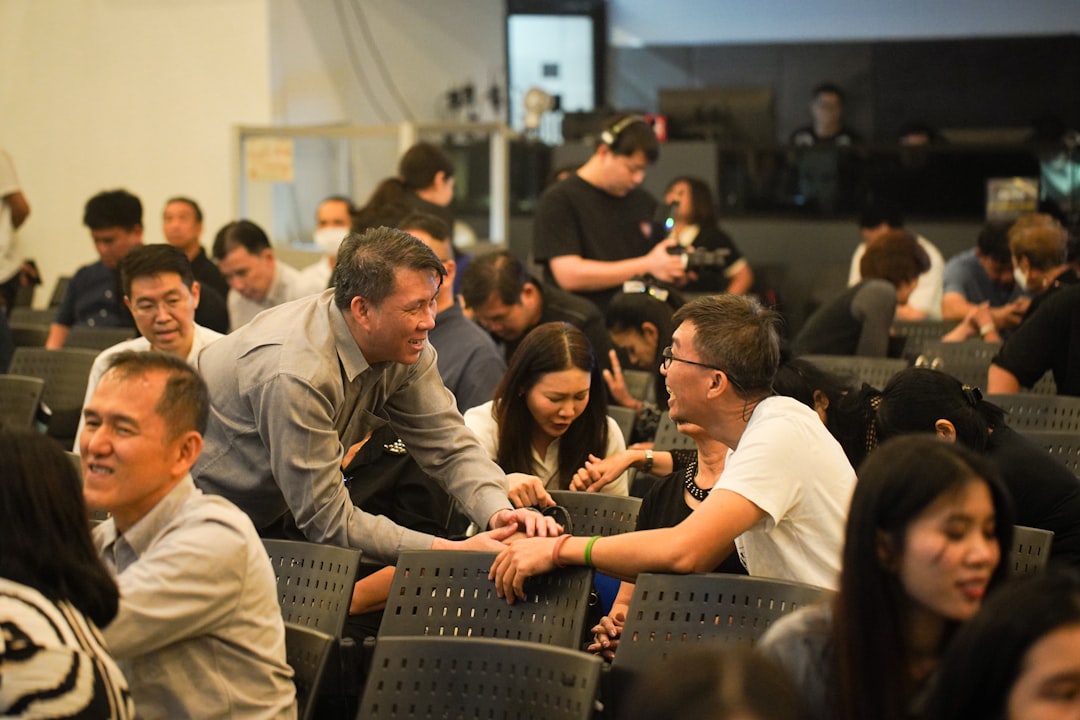
Real Examples: People Who Built Brands in Entertainment
Here’s a fun example: Sarah started in corporate communications but always loved underground hip-hop culture. She began writing blog posts reviewing local rap shows and interviewing emerging artists. Soon enough, producers reached out asking for help promoting their acts. Now, she’s the go-to person for urban music marketing strategies in several mid-sized venues.
Another case: David worked in IT infrastructure for years before realizing how much he enjoyed managing live sound setups during weekends. He documented gear reviews and troubleshooting tips on YouTube. Eventually, audio equipment manufacturers noticed—and offered him partnerships. Today, he consults full-time for stage tech teams around Europe.
Neither became overnight successes—but both built brands rooted in genuine interest and consistent output.
New Case Study #1: Meet Anika Dubois. A trained sociologist who worked in market research stumbled upon the social dynamics of fan culture through data analysis. Rather than staying behind spreadsheets, Anika published whitepapers comparing fandom behaviors across different genres and created workshops on predictive audience modeling for promoters. Her unique blend of academic rigor and cultural insight earned her spots as a keynote speaker at various music industry forums.
New Case Study #2: Ian Chen, an ex-investment banker, recognized inefficiencies in artist royalty collection systems. With no prior knowledge of the music business, he dove into legal frameworks and blockchain technologies, eventually launching an advisory firm focused on smart contracts for musicians. His authoritative content attracted attention from industry veterans eager to modernize legacy systems, turning Ian into an unexpected disruptor in rights administration.
New Case Study #3: Owen Bell moved from journalism to documentary filmmaking after covering social justice issues abroad. He documented indigenous storytelling traditions using immersive VR technology, blending activism with cinematic innovation. Through grants and collaborations with UNESCO-backed initiatives, Owen established a global reputation in socially impactful media production, opening doors to UN partnerships and international film festivals.
Where Can You Learn More About the Industry?
Understanding the inner workings of entertainment organizations helps you position yourself better. You’ll learn about structures, processes, and trends—all critical when crafting your personal brand.
If you’re serious about making a shift, exploring educational resources can provide clarity and confidence. One solid option is the course on Unterhaltungsorganisationen, which walks beginners through the foundational principles shaping this dynamic sector.
It’s not just about theory—it connects directly to real-world applications, giving you something concrete to add to your narrative as a career changer.
To give context: Many professionals entering entertainment overlook its hybrid nature—part artistry, part commerce. Without grasping fundamentals such as revenue streams, stakeholder hierarchies, or seasonal cycles, newcomers often struggle with positioning themselves accurately. Courses like WisstOR bridge that gap effectively, preparing students to step confidently into conversations typically dominated by insiders already fluent in jargon and norms.
Common Mistakes to Avoid
We all make missteps when building our brands. But learning from common pitfalls can save you time and energy.
- Treating it like advertising: Your brand shouldn’t scream “hire me!” every post. Instead, aim to educate, inspire, or entertain consistently.
- Neglecting your offline presence: What you say in meetings, how you carry yourself—it all contributes to your brand.
- Pretending to be someone else: Authenticity trumps perfection. Be real about your journey and values.
When done well, personal branding feels natural—not performative.
Getting Started Today: Action Steps You Can Take Right Now
No matter where you currently stand, there are small ways to begin building your brand TODAY:
- Update your LinkedIn headline to reflect what you’re aiming toward—not just what you’ve done.
- Write down 3 strengths you’d want a future boss to know about you—and find one way to demonstrate each weekly.
- Follow 5 accounts from professionals working in areas of entertainment that intrigue you. Engage meaningfully.
Your mission? To become known—for something positive—in your desired corner of the entertainment world.
Final Thought: It’s Not Just About Jobs
Personal branding in entertainment organizations goes beyond landing roles. It’s about becoming part of a community. It’s about standing for something meaningful while contributing creatively. Most importantly, it’s about designing a path forward—on your terms.
So, let’s turn curiosity into action.
Challenge: Pick one platform—LinkedIn, Instagram, or even email—and commit to posting something relevant to the entertainment industry this week. Not selling anything. Just adding value. Ready? Go.